ABB joins team for 2.2GW Hydrogen City project in Texas

ABB joins team for 2.2GW Hydrogen City project in Texas

ABB is partnering with Green Hydrogen International on a major new hydrogen project in Texas that will help produce 1 million tonnes of green ammonia per year.

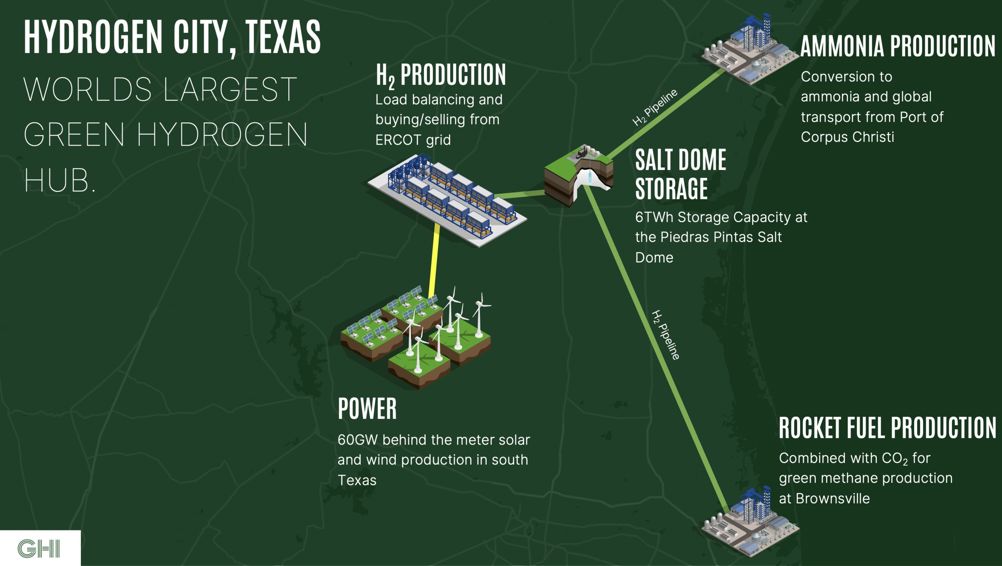
Hydrogen City will be located about 120km west of the major Texas port of Corpus Christi. A combination of wind and solar will power a 2.2GW electrolyser plant, producing 280,000 tonnes of green hydrogen annually. The facility will tap into local geology to store the H2, using the Peidras Pintas Salt Dome to contain up to 24,000 tons and allowing Hydrogen City to harness the intermittency of renewable energy outputs.

A pipeline will link Hydrogen City to Corpus Christi, where the gas will be converted to green ammonia and exported around the world. Green Hydrogen International (GHI) is also in discussions with potential off takers of green hydrogen as a feedstock for sustainable aviation fuel and e-methane production.

Hydrogen City, Texas – World’s Largest Green Hydrogen Production and Storage Hub

The collaboration will see ABB’s automation, electrification and digital technology assessed for deployment at Hydrogen City. ABB has already completed a feasibility study to develop an electrical system architecture to optimise return on investment and support compliance with US and EU legislation, including the US Inflation Reduction Act (IRA).

“We are proud to collaborate with GHI on Hydrogen City, to explore how our automation, electrification and digital technology can support and scale this ambitious green hydrogen production facility,” said Brandon Spencer, president of ABB Energy Industries.

“Together, we will enable efforts to decarbonise global industry and progress towards a net-zero future.”

Global ammonia production currently stands at around 200 million tonnes, fed almost exclusively by fossil fuels. The green ammonia market is currently valued at just $300m but is predicted to reach $17.9 billion by 2030, driven by higher demand for sustainable fertilisers and ammonia as an alternative fuel, particularly in heavy shipping.

“GHI is honoured to be partnering with ABB on our Hydrogen City project,” says Brian Maxwell, CEO of GHI.

“Their top-notch expertise in power systems architecture, automation, electrical and digital systems provides enormous advantages for this complex project and supports our goal of producing the lowest-cost green hydrogen in South Texas.”

ABB developes crane control software

ABB developes crane control software


ABB has developed crane control software that bringsincreased safety, reliability and improved performance. The software is an optional add-on for the ABB industrial drives range which extends from 0.55 kW to 5600 kW.


ABB has developed crane control software that brings increased safety, reliability and improved performance. The software is an optional add-on for the ABB industrial drives range which extends from 0.55 kW to 5600 kW. It incorporates all the functions commonly required for the hoist, trolley and long travel motions in industrial, harbour and tower cranes. ABB’s motor control platform, Direct Torque Control (DTC) allows accurate control of speed and torque with or without pulse encoder feedback from the motor shaft.

Strengthening the manufacturing sector through Software Defined Automation

Strengthening the manufacturing sector through Software Defined Automation

In an industry rapidly evolving and influenced by regulations, Software-Defined Automation is crucial for maintaining a competitive edge, says Fabrice Jadot, next gen automation SVP at Schneider Electric.

Engineers can harness virtualisation to streamline standard processes like consolidating Programmable Logic Controllers (PLC), Human Machine Interfaces (HMI), Industrial PCs (IPC), and other physical compute resources – AdobeStock

The UK has fallen out of the top 10 global manufacturers, dropping to12th on the global leader board.  This shift comes at a time when the industry is facing a myriad of different challenges. From changing customer demands and ongoing talent shortages, to supply chain challenges that have been amplified by Britain’s departure from the EU, the COVID-19 pandemic and ongoing geopolitical tensions.

These issues are heightened by the rapid technological advancements and digital transformation boom, which present unique challenges for industries, like the manufacturing sector, that are heavily reliant on systems designed and installed decades ago.

To regain its competitive edge on the global manufacturing stage, UK industrial enterprises must embrace digital transformation to accelerate their productivity and enhance flexibility. Cue Software-Defined Automation (SDA).

What is Software-Defined Automation (SDA)?

SDA transforms operational technology by decoupling hardware and software, allowing industrial companies to mix and match automation technologies into one seamless system. This approach enables devices and equipment to connect freely across architecture layers, regardless of the manufacturer, fundamentally changing the traditional approach to automation and design, impacting everything from scalability, adaptability and resiliency.

Initially, larger, more digitally advanced industrial players will adopt SDA, as the long lifecycle of traditional hardware-based solutions are still heavily relied upon by smaller manufacturers. However, SDA will become increasingly relevant in the coming years for manufacturers of all sizes seeking flexible solutions and reduced technology debt.

SDA also simplifies and centralises automation processes, reducing costs and increasing operational efficiency. It also plays a role in attracting talent, by replacing traditional skills with automated practices like low/no-code development and natural language coding. Manufacturers who fail to embrace SDA technology may struggle to hire automation engineers in the future who aren’t willing to work with programs and systems that are decades old.

Embracing industrial automation through virtualisation

During SDA, decoupling hardware from software also introduces a new function known as virtualisation. This process is often used by IT professionals to describe a scenario where several virtual machines (VMs) are set up on a single server. In industrial automation, this essentially means the same – a move from physical to virtual.

Engineers can harness virtualisation to streamline standard processes like consolidating Programmable Logic Controllers (PLC), Human Machine Interfaces (HMI), Industrial PCs (IPC), and other physical compute resources currently on their factory floors onto local virtual machines that operate on a hyperconverged compute and storage infrastructure.

Virtualisation also reduces hardware costs by running multiple VMs on a single server, decreasing maintenance and operational costs. Fewer physical servers mean less hardware to maintain, operate and repair – boosting productivity and cutting operational costs. Additionally, it also enhances organisational sustainability by consolidating computing and storage resources into a set of central services, reducing energy use and Scope 2 Greenhouse Gas emissions.

Implementing SDA to leverage digital twin models

In addition to virtualisation, SDA aids in developing digital twin models, which work by creating virtual counterparts to physical objects or processes. These models increase efficiency and reduce operational costs by allowing manufacturers to design, optimise, test, and validate machine solutions in a virtual environment before real-world commissioning.

Essentially, digital twins reduce errors, save time and money, and accelerate time to market and commissioning time. It is why researchers predict that by 2025, 80 per cent of industry ecosystem participants will use digital twins to share data and insights.

What’s more, when digital twin models are implemented, manufacturers no longer need to experiment with physical hardware to achieve optimised results, they can make improvement opportunities virtually, significantly increasing efficiency and reducing manual processes.

The shift to soft programmable logic controllers

Anyone in the industrial sector knows that PLCs are the primary type of automation used for machine control. However, enabled by SDA the ‘virtualised’ PLC approach offers access to a new way of automating machines and processes, a ‘soft PLC’ or a hardware-agnostic, software-based controller which can be run on any Windows or Linux server, industrial PC (iPC) or microcomputer, no matter the supplier. Multiple instances of these virtualised controllers can be installed on the same hardware, configured, deployed, and maintained independently.

This approach also allows changes to processes without stopping production, minimising downtime, reducing costs, and providing the flexibility and agility needed in today’s dynamic consumer landscape. It makes deploying new processes or modifying existing ones much easier, reducing time-to-market and increasing engineering efficiency.

Companies across the globe are already leveraging SDA to reduce costs and streamline operations. For example, Brilliant Planet, a pioneer in low-cost, algae-based carbon capture wanted to scale up their operations at speed, but their internal processes were riddled with obsolete and unsupportable control systems with predominantly manual operations.

To overcome this challenge and scale at speed, Brilliant Planet leveraged SDA to deploy cutting edge systems that control the site’s algae cultivation by utilising data from a high-frequency satellite. By implementing SDA systems, Brilliant Planet was able to significantly reduce their testing and integration time and launch highly efficient and supportable control systems that reduce engineering costs and can be easily scaled across different sites.

To get ahead of global competitors, the UK must harness digital capabilities like SDA to reduce costs, boost productivity, and retain top talent.

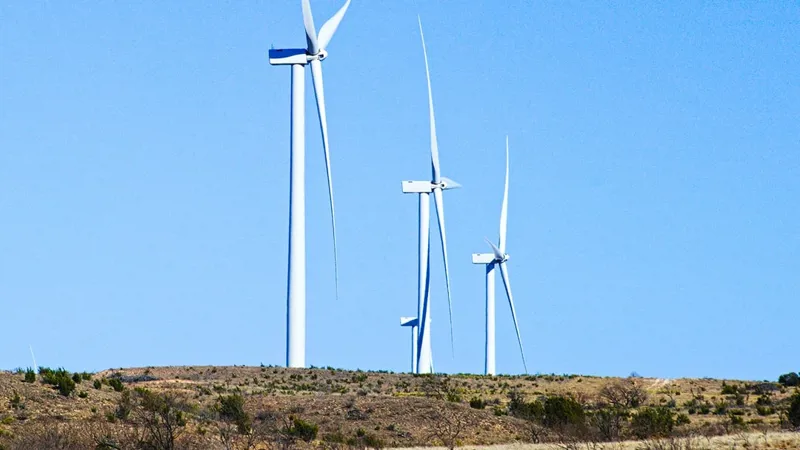
ABB provides a complete range of robots for Nobia’s new, high-tech kitchen factor

ABB provides a complete range of robots for Nobia’s new, high-tech kitchen factor

ABB Robotics has been selected by Nobia – the leading kitchen specialist in Europe – to supply robotic automation solutions for their new factory in Jönköping, Sweden. By securing the contract, ABB Robotics furthers its expansion into new industry segments, helping to make production more efficient and sustainable.

“ABB’s contribution to Nobia’s new state-of-the-art factory clearly illustrates how we are helping companies unlock flexible automation to transform their business, supporting with unique global industry expertise and innovative, tailormade products,” said Andrea Cassoni, Managing Director, General Industry, ABB Robotics. “Working with Nobia, our robotics solutions will enable fast mass-production of customized kitchens, meeting consumers’…

You’ve just hit your daily non-subscriber article limit. Subscribe now for FREE to read the full article.


ABB expands large robot family with four energy saving models, 22 variants

ABB expands large robot family with four energy saving models, 22 variants

ABB Robotics is expanding its large robot range with four new models and 22 variants offering more choice increased coverage and greater performance.

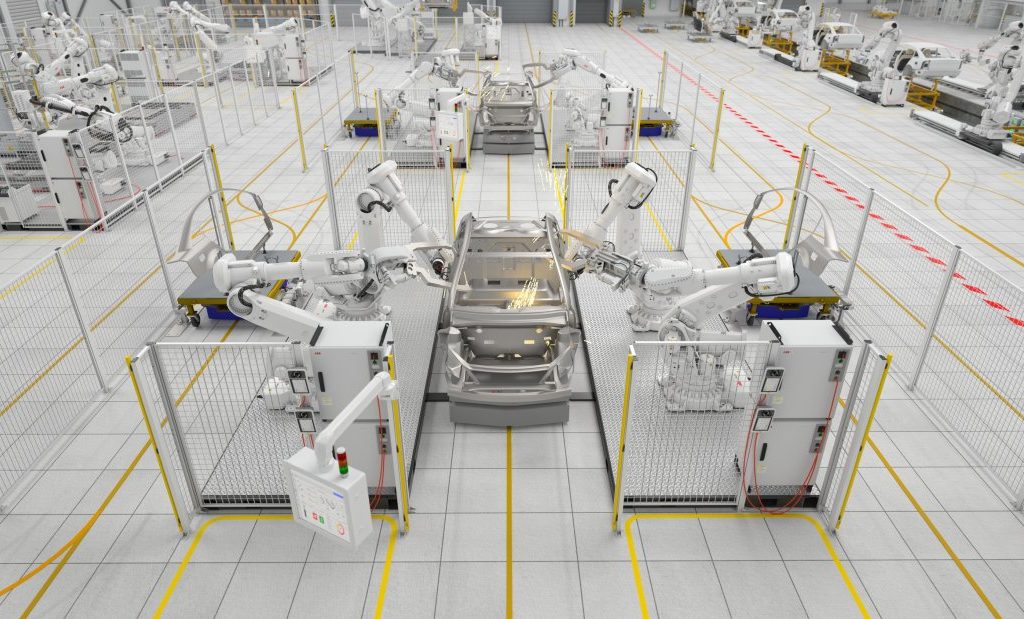
The next generation models include the IRB 6710, IRB 6720, IRB 6730 and IRB 6740, suitable for payloads ranging from 150kg to 310kg, with a reach from 2.5m to 3.2m, offering customers greater choice and significant performance and energy efficiency improvements.

“Sustainable production is a major priority of automotive manufacturers, with 78 percent of companies identifying it as important to their business and a further 77 percent identifying it as a priority for their customers1” said Marc Segura, President of ABB’s Robotics Division. “ABB’s four new robots offer 22 variants and energy savings of up to 20 percent, responding to our customer’s needs; offering more choice and greater flexibility for more sustainable production. These new robots will help our customers build resilience across a range of industries including automotive, general manufacturing, foundry, food and beverage and logistics.”

The improved energy efficiency is driven by ABB’s OmniCoreTM controller, and lighter robot design leading to energy savings of up to 20 percent. OmniCore also offers high motion control accuracy. Featuring ABB’s TrueMove and QuickMove motion control technology, the robots can achieve class-leading repeatability with a minimum of 0.03mm deviation. These capabilities make the new series of robots ideal for complex tasks such as spot welding, laser welding, screwdriving and riveting, allowing automotive manufacturers to achieve high quality assembly.

“Our new robot range meets the needs of the rapidly growing electric vehicle (EV) industry. As manufacturers ramp up production of EVs and batteries, they can choose from a wide range of ABB robots to ensure they have the right variant to handle batteries of varying sizes, from individual cells and modules to complete packages. They can also perform tasks such as high-precision car body assembly and spot welding and enter restricted areas within a vehicle to install seats or dashboards.” said Joerg Reger, Managing Director of ABB Robotics Automotive Business Line.


ABB’s new large robots made their debut at ABB’s stand at Automatica 2023 last month, performing spot welding tasks, loading and unloading EV-battery tray parts, provided by one of ABB’s fully autonomous mobile robots.

ABB expands partnership with Northvolt to electrify the world’s largest battery recycling facility

ABB expands partnership with Northvolt to electrify the world’s largest battery recycling facility

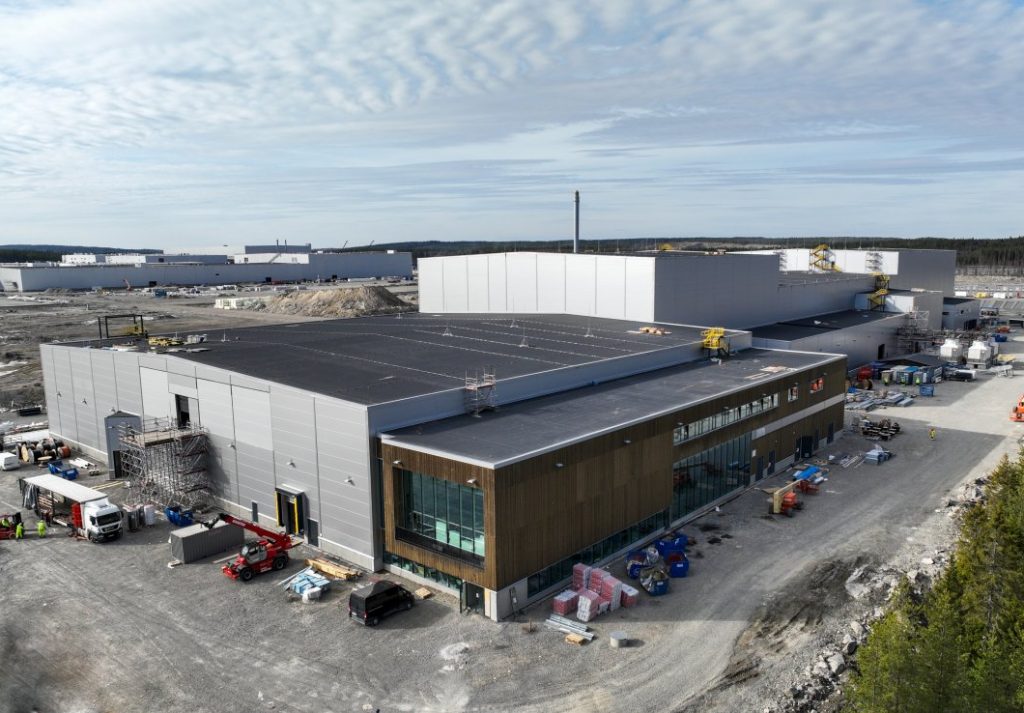
ABB is providing process electrification to power the world’s largest battery recycling facility, Revolt Ett., being established by Northvolt in Skellefteå, northern Sweden

ABB and Northvolt are further strengthening their long-standing collaboration in the field of green batteries, an increasingly critical part in the ongoing energy transition.

Since 2017, ABB has already delivered key electrification and automation equipment to power Northvolt Ett gigafactory for lithium-ion batteries in Sweden. This partnership is now being expanded to include battery recycling with ABB providing process electrification to power the world’s largest battery recycling facility, Revolt Ett, being established by Northvolt in Skellefteå, northern Sweden. Financial details were not disclosed. The order was booked in the first quarter of 2023.

Revolt Ett, the recycling site, will ultimately process 125,000 tons of end-of-life batteries and battery production waste each year – making it the largest plant of its kind in the world. It will service Northvolt’s gigafactory on the same site, which brought one production block online in 2022 and will establish others to reach an annual production capacity of 60 GWh.

Northvolt supplies a range of lithium-ion batteries to the automotive, industrial, and large-scale energy storage sectors that support the global energy transition. The producer aligns with World Economic Forum figures which show the demand for batteries is expected to increase 14-fold by 2030 due to the adoption of electric vehicles.

ABB will deliver switchgears and variable speed drives to the facility, which will match the speed of the processes taking place in the factory, ramping power up and down as required, saving energy, improving performance and lowering maintenance.


The facility is a key part of Northvolt’s sustainability ambitions and will start operations in 2023. The company plans to reduce the carbon footprint of its batteries to 10 kg CO₂e per kilowatt hour (kWh) by 2030, compared to an industry reference of 98 kg CO₂e per kilowatt hour (kWh). Key to achieving this target, Northvolt Ett is powered by 100 per cent fossil-free energy.

“Batteries are a critical technology within the energy transition,” said Emma Nehrenheim, Chief Environmental Officer at Northvolt. “But with massive growth in battery demand it is critical that we secure solutions to recycle batteries and ensure reliable, sustainable supply of critical minerals. This new facility Revolt Ett will help us achieve both of these goals as we work towards our mission of building the world’s greenest battery.”

As increasing numbers of batteries in the market reach end of life, recycling via Revolt Ett’s battery materials recovery and hydrometallurgical (hydromet) processes is set to supply up to 50 per cent of Northvolt Ett’s raw material needs for lithium, nickel, cobalt and manganese by 2030. By that point in time, Northvolt aims to have the capacity to manufacture 150 GWh per annum across its operations in Sweden and Germany.

“This is ABB’s first order within the strategically important battery recycling segment,” said Staffan Södergård, Business Unit Manager, Battery Manufacturing, Process Industries, ABB. “In conjunction with a trusted partner in Northvolt, this project offers us the opportunity to help our customers avoid carbon emissions, reuse material and protect critical supply chains. We look forward to its progress.”

Search for products

Back to Top
Product has been added to your cart
phone: +86 15860624505
to whats
15860624505
to whats
15860624505
email: 481340442@qq.com